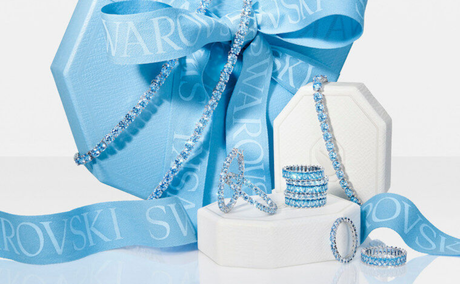
Swarovski Jewelry
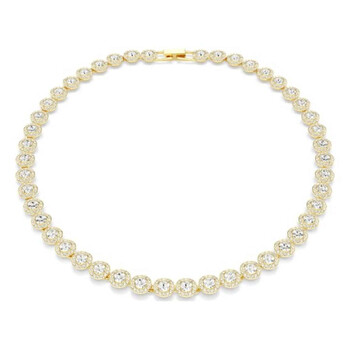
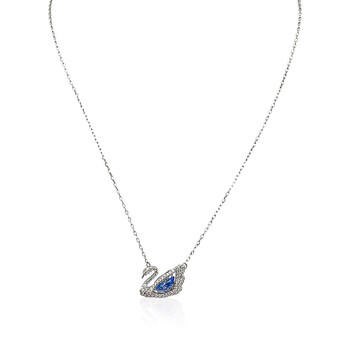
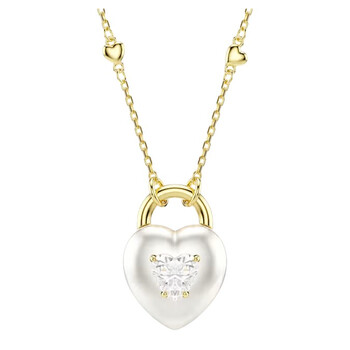
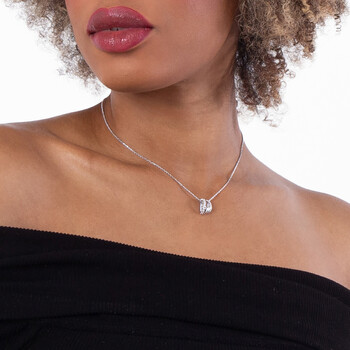
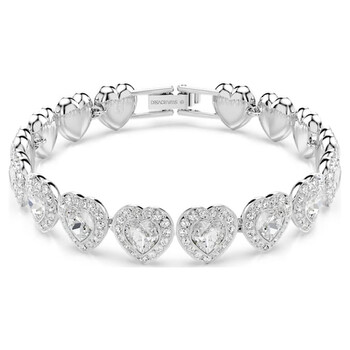
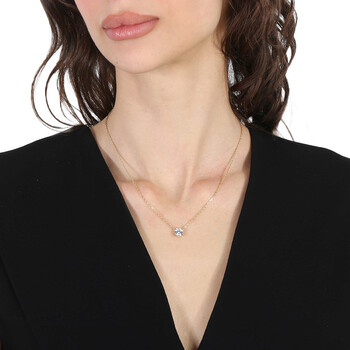
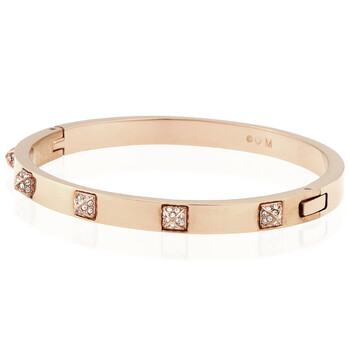
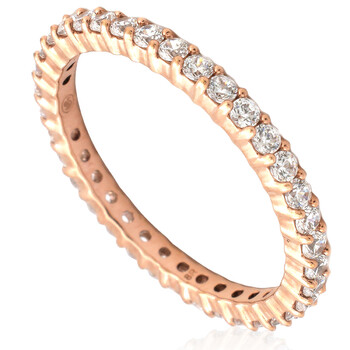
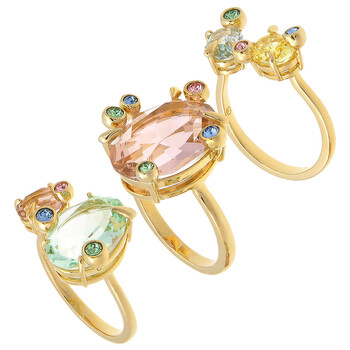
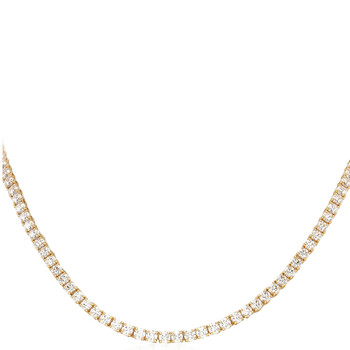
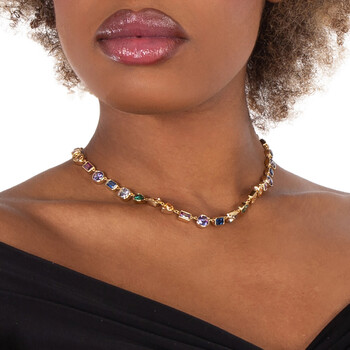
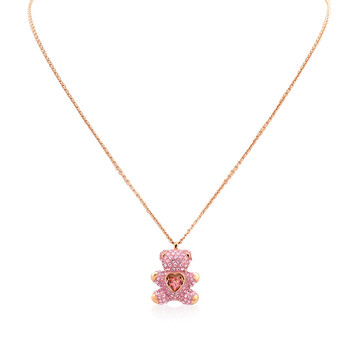
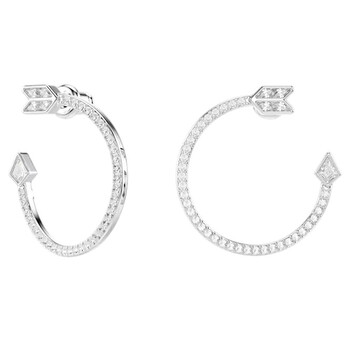
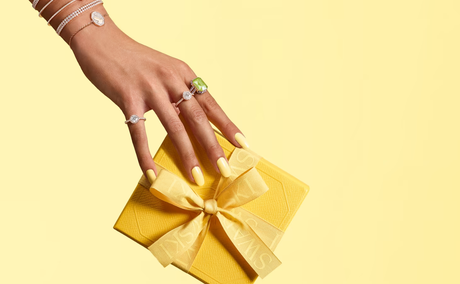
Swarovski has a reputation for producing some of the world’s finest crystal items, including a line of elegant and fashionable jewelry. If you are looking for everyday wear or charming gift ideas, you can find a Swarovski pendant necklace, ring, earrings, or to delight anyone on your list.
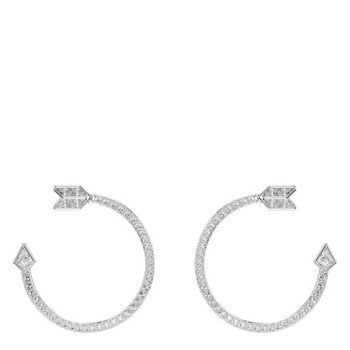
In 1895, Daniel Swarovski patented an electric cutting machine that could cut crystal more precisely than by hand. This new kind of crystal became a successful diamond alternative, allowing more women than ever to sparkle in Swarovski’s now-iconic earrings and . For a shine that endures for years, discover Swarovski’s or settings and you’ll see why this brand remains a dazzling standard in crystal jewelry.
Swarovski Beginning
In 1895, Austrian jeweler Daniel Swarovski set out to create a colorless crystal that could be "a diamond for everyone." He realized his dream when he patented an exceptionally precise electric cutting machine that not only streamlined production, but also improved how the material refracted light. The resulting product - Swarovski crystals - was an accessible alternative to diamonds in quality and sparkle.
A collaboration with Christian Dior in 1955 led to an iconic innovation for crystals tones dubbed the Aurora Borealis effect. Named for the Northern Lights, this technique used vaporized blue metal to make cut crystal shimmer in rainbow colors. The baubles enchanted the who created many jewelry and cocktail dresses featuring the iridescent colors.
Hollywood and the Catwalk
When Hollywood needs accessories that can sparkle brighter than its own stars, it turns to Swarovski. In 1931, Swarovski provided jewelry and crystal-encrusted cost.mes
s to Marlene Dietrich in "Blonde Venus." Marilyn Monroe could later be found dripping with Swarovski crystal necklaces and sporting a dazzling crystal bracelet when she sang "Diamonds Are a Girl’s Best Friend" in the film "Gentlemen Prefer Blondes." Even Audrey Hepburn wore a Swarovski tiara in "Breakfast at Tiffany’s." In each case, Swarovski jewelry played an unforgettable role when it brought dazzling and to the silver screen.
Technology leads the way
A long list of technological advancements began in 1964 when Swarovski began precision-cutting colored gemstones in addition to crystals. Swarovski was also the first to cut cubic zirconia for the jewelry industry. In 2003 Swarovski developed the Xilion cut, which brought new angles to a single crystal and enhanced its radiance and light effects.
In 2011, Swarovski introduced Sirius 1088, a durable stone with rich color and foiling that approached the quality of a natural diamond. Later, the company introduced Diama, a lab-created diamond launched in 2015. Today, Swarovski technology continues to advance, consistently bringing new cuts, shades, and sizes to market.
Attention to Detail
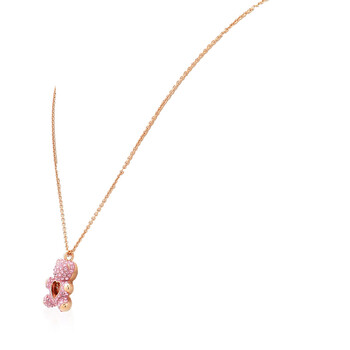
Swarovski understands that the details matter. That’s why Swarovski invented a hand-setting technique called Pointiage that allowed greater precision when setting tiny melee crystals. The pave setting in the enchanting evil eye crystal pendant takes advantage of this innovation.
Jewelry for everyday wear must be fashionable and durable. That’s why Swarovski uses rhodium plating to ensure the bright white patina stays looking good even after repeated wear. That.mes
ans anyone who buys a Swarovski piece can know that it will sparkle and shine with integrity for years to come.