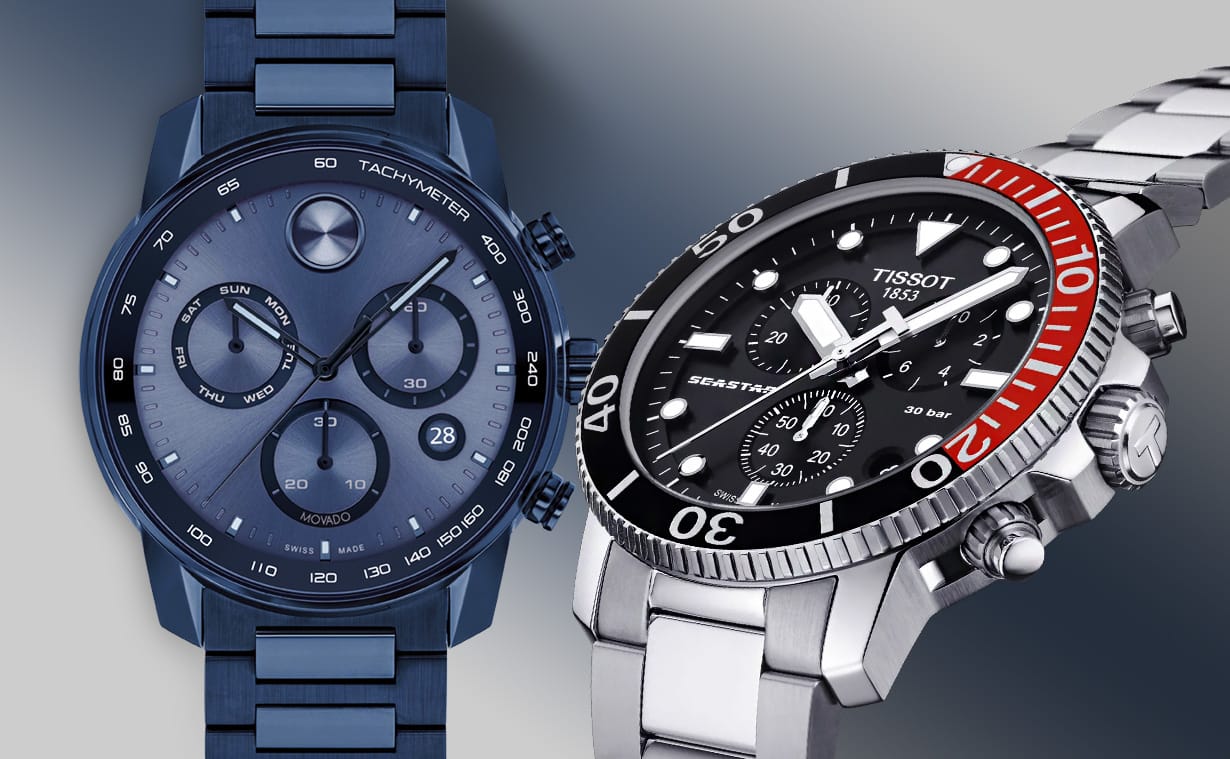
When it comes to Swiss t.mes pieces that balance heritage, craftsmanship, and design innovation, Tissot and Movado stand out among the most respected names in horology. Both brands have built loyal followings around the world — Tissot for its precision engineering and technical mastery, Movado for its minimalist artistry and modern elegance.

In this guide, we break down Tissot vs Movado across history, craftsmanship, collects ions, design philosophy, pricing, and notable models. Whether you’re drawn to Tissot’s heritage of innovation or Movado’s sleek contemporary appeal, this comparison will help you decide which brand best suits your style and lifestyle.
Brand Histories and Heritage

Movado: Innovation and Artistic Precision
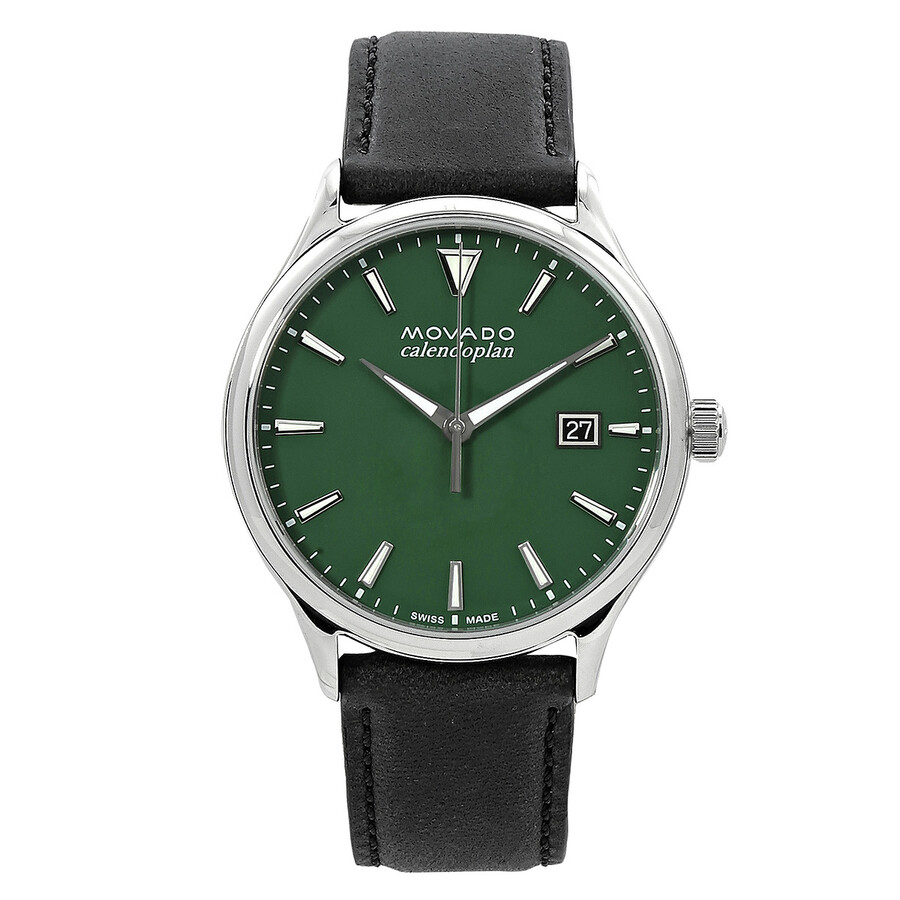
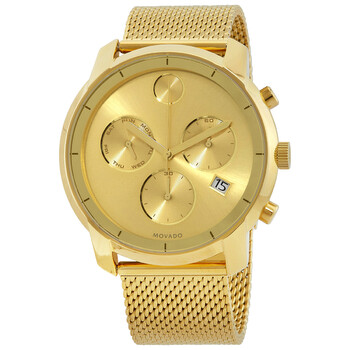
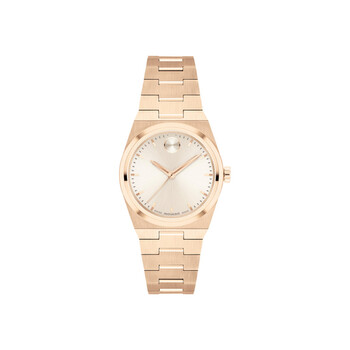
Founded in 1881 in La Chaux-de-Fonds, Switzerland, Movado — meaning “always in motion” in Esperanto — embodies constant evolution and artistic expression. The brand gained international acclaim in 1947 with the Museum Watch, designed by artist Nathan George Horwitt. Its minimalist dial with a single dot at 12 o’clock represents the sun at high noon — a design so iconic that it now resides in New York’s Museum of Modern Art.

Movado’s heritage reflects a seamless blend of modern design and Swiss craftsmanship, creating pieces that are as much art as they are instruments of t.mes .

Tissot: A Legacy of Swiss Craftsmanship

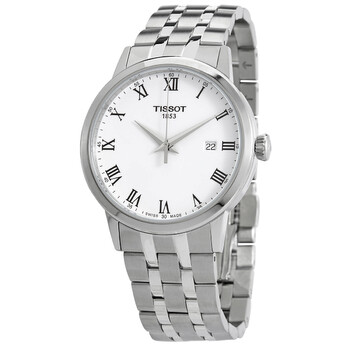
Established in 1853 in Le Locle, Switzerland, Tissot has long stood for innovation and reliability. From pioneering the first mass-produced pocket watches to introducing the first anti-magnetic watch, Tissot has continually redefined accessible Swiss luxury. The brand’s role as the official t.mes keeper for global sporting events like the Tour de France and MotoGP further underscores its precision and technical prowess.

Tissot’s deep-rooted heritage is built on creating affordable, high-quality mechanical and quartz t.mes pieces that combine traditional Swiss values with modern functionality.

Craftsmanship and Build Quality
Movado: Refined Minimalism and Swiss Precision

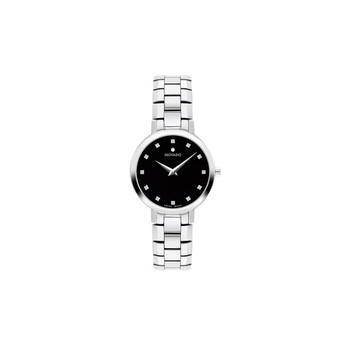
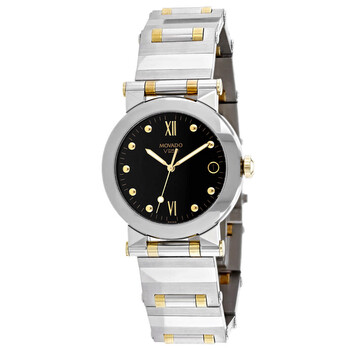
Movado watches are renowned for their flawless finishing, polished cases, and sapphire-crystal dials. Each t.mes piece reflects an attention to design purity and material integrity, often powered by precise Swiss quartz movements. Movado’s aesthetic craftsmanship emphasizes simplicity, balance, and symmetry, producing watches that are t.mes less yet distinctively modern.

Tissot: Engineering Excellence and Reliability

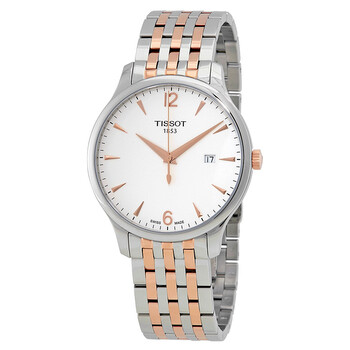
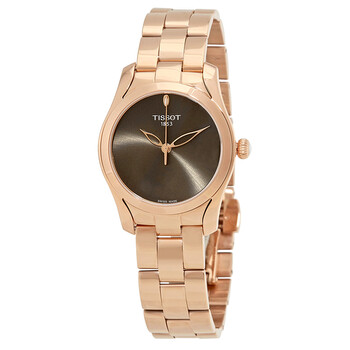
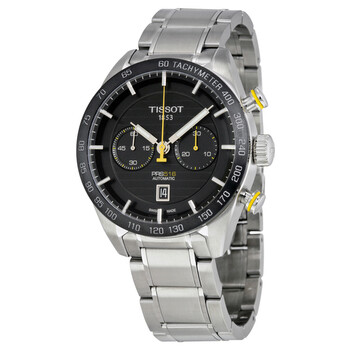
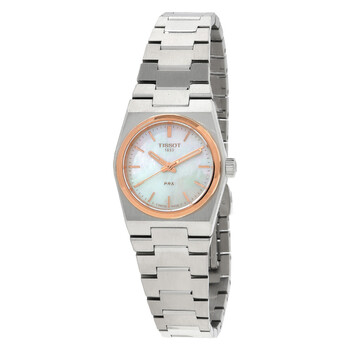
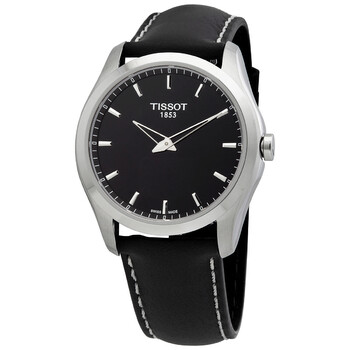
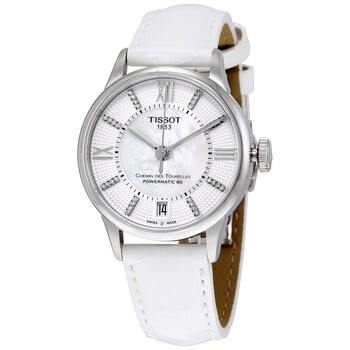
Tissot is celebrated for its Swiss-made automatic and quartz movements, particularly the highly regarded Powermatic 80, which delivers an impressive 80-hour power reserve. The brand’s meticulous assembly process ensures precision and durability, while innovative use of materials — such as titanium, ceramic, and sapphire crystal — reinforces its technical edge.

Tissot’s watches reflect a harmonious fusion of engineering and elegance, appealing to collects ors and everyday wearers alike.
Prominent collects ions

Movado’s Signature collects ions

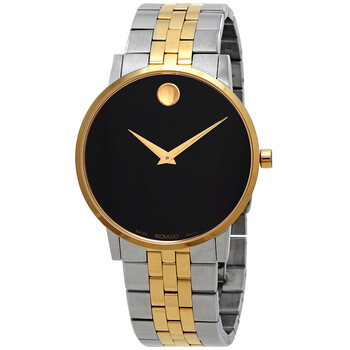
- Museum Classic: The quintessential Movado design — minimalist dials, clean profiles, and the legendary single-dot motif.
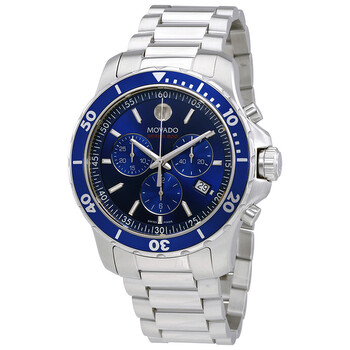
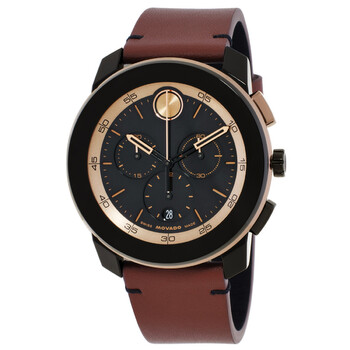
- Bold Series: A youthful, fashion-forward collects ion with vibrant colors, modern materials, and stat.mes nt-making aesthetics.
- 1881 Automatic: A nod to Movado’s origins, featuring mechanical movements and refined casework that blend tradition with modernity.
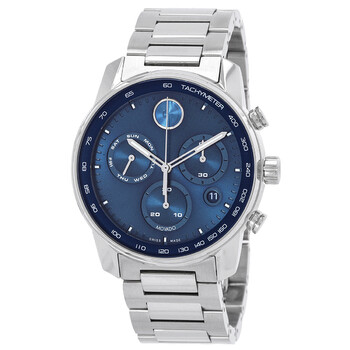
Tissot’s Iconic Series

- T-Classic: A line that celebrates t.mes less Swiss elegance, with refined cases and dress-watch appeal.
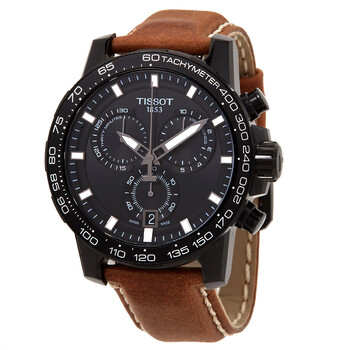
- T-Sport: Designed for active lifestyles, these robust chronographs combine functionality with sleek styling.
- T-Touch: A groundbreaking innovation featuring touchscreen technology and functions such as alt.mes ter, compass, and thermometer — ideal for adventurers.
Design Philosophy

Movado: Modern Art.mes ets t.mes keeping

Movado’s design ethos is rooted in minimalism and visual purity. Every element — from the dial layout to the sleek bracelet design — is carefully considered for artistic coherence. The result is a collects ion of watches that double as wearable sculptures, celebrated for their understated sophistication and effortless versatility.
Tissot: Blending Tradition and Technology

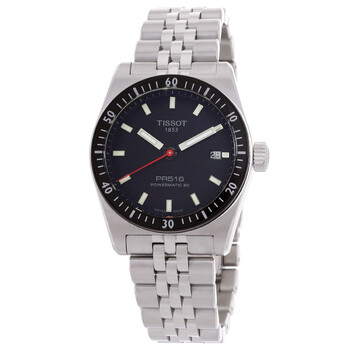
Tissot.mes rges classic Swiss aesthetics with cutting-edge technology. Whether through the mechanical craftsmanship of the Le Locle or the modern innovation of the T-Touch Solar, Tissot’s designs cater to both traditionalists and tech-savvy watch lovers. The brand’s attention to detail ensures each piece feels substantial, practical, and enduring.
Pricing and Market Position
Movado: Contemporary Luxury

Movado t.mes pieces are positioned in the mid-to-high luxury segment, generally priced between $300 and $2,500. The pricing reflects the brand’s emphasis on artistic design, heritage, and high-quality materials. Movado maintains a strong presence in North America and is especially popular among those seeking minimalist elegance and a refined everyday watch.

Tissot: Accessible Swiss Innovation

Tissot’s pricing ranges from $200 to $2,000, making it one of the most accessible Swiss-made brands on the market. Offering both mechanical and quartz movements, Tissot appeals to first-t.mes buyers and seasoned collects ors alike. Its widespread availability and reputation as an official sports t.mes keeper enhance its global credibility and brand value.
Model Comparisons
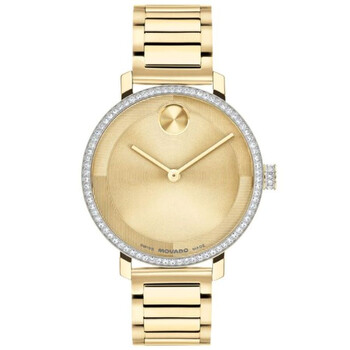
Movado Museum Classic vs Tissot Le Locle Automatic

| Feature | Movado Museum Classic | Tissot Le Locle Automatic |
|---|---|---|
| Design | Minimalist single-dot dial | Traditional guilloché dial with Roman numerals |
| Movement | Swiss quartz | Swiss automatic (Powermatic 80) |
| Style | Modern, artistic | Classic, t.mes less |
| Price Range | Around $800 – $1,000 | Around $600 – $900 |
Verdict: Choose Movado for sleek minimalism; Tissot for traditional mechanical charm.
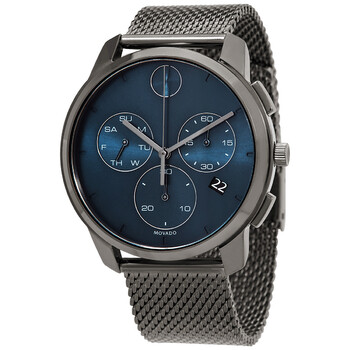
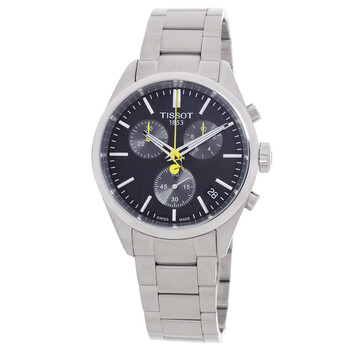
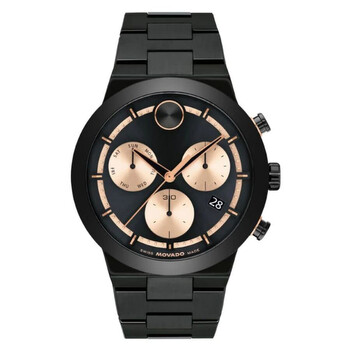
Movado Bold vs Tissot PR 100 Sport Chic

| Feature | Movado Bold | Tissot PR 100 Sport Chic |
|---|---|---|
| Design | Contemporary, colorful | Sporty and versatile |
| Movement | Quartz | Quartz or automatic |
| Features | Emphasizes design simplicity | Includes date, water resistance |
| Price Range | ~$500 – $1,000 | ~$400 – $900 |
Verdict: Movado for stat.mes nt fashion; Tissot for everyday versatility.
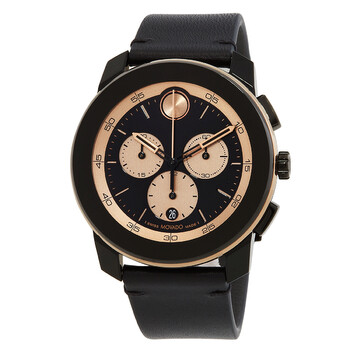
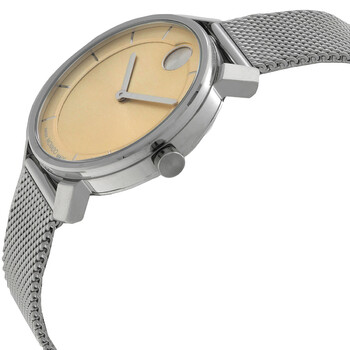
Movado 1881 Automatic vs Tissot T-Touch Expert Solar

| Feature | Movado 1881 Automatic | Tissot T-Touch Expert Solar |
|---|---|---|
| Design | Elegant, heritage-inspired | Sporty, high-tech functionality |
| Movement | Swiss automatic | Solar-powered quartz with touchscreen |
| Functions | t.mes /date | Alt.mes ter, compass, barometer, chronograph |
| Price Range | ~$1,200 – $1,800 | ~$1,100 – $1,600 |
Verdict: Movado for t.mes less elegance; Tissot for adventurous innovation.
Final Verdict: Tissot or Movado?
Both Tissot and Movado embody the spirit of Swiss craftsmanship — yet their strengths cater to different sensibilities.

- Choose Movado if you value modern minimalism, artistic design, and understated luxury that complements both formal and casual wear.
- Choose Tissot if you prefer technical innovation, heritage-inspired craftsmanship, and versatile functionality suited for professional and active lifestyles.

In the end, there’s no wrong choice — both offer exceptional quality and enduring style. The best option depends on whether your priorities lean toward design purity (Movado) or mechanical mastery (Tissot).
Quick Comparison Summary
| Category | Tissot | Movado |
|---|---|---|
| Founded | 1853 | 1881 |
| Design Focus | Sporty, traditional Swiss | Minimalist, modern |
| Movement Types | Quartz & Automatic | Primarily Quartz |
| Price Range | $200 – $2,000 | $300 – $2,500 |
| Best For | Watch collects ors & professionals | Style-driven modernists |